Why You Can't Stick to a Sleep Schedule

The Natural History of Not Sleeping
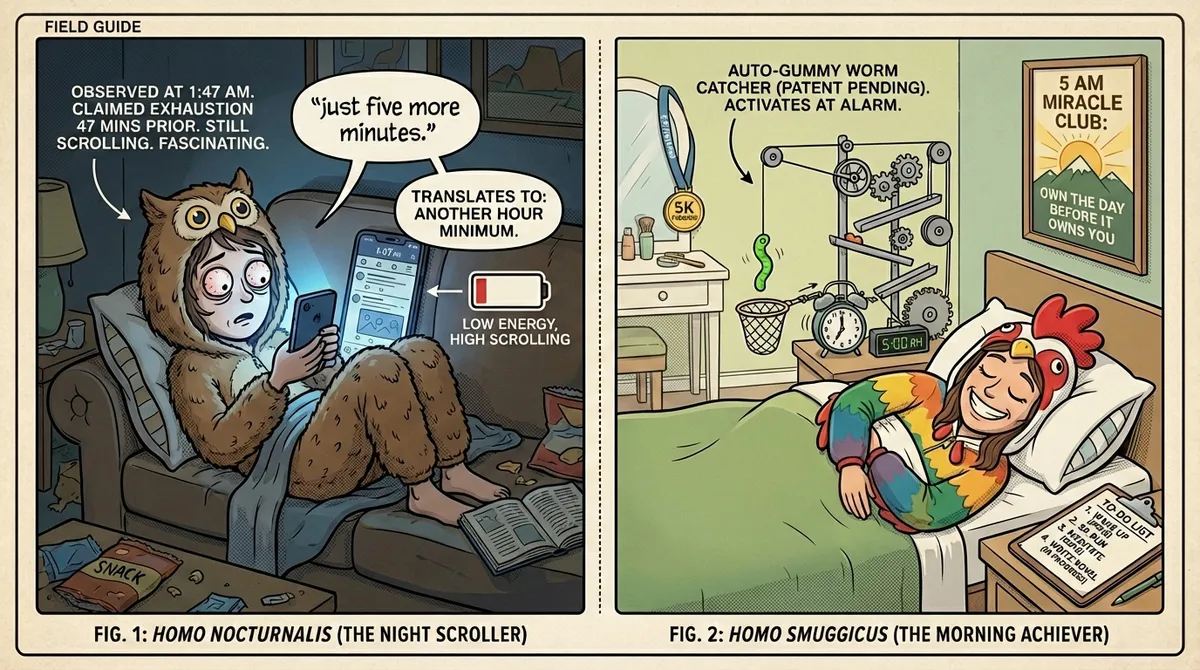
Here we observe the Homo Nocturnalis in its natural habitat — the glow of a phone screen at 1:47am. Despite claiming exhaustion approximately 47 minutes ago, it continues to scroll. Fascinating.
The creature mutters “just five more minutes” — a phrase that, in its native tongue, translates loosely to “another hour minimum.”
Species Classification:
| Species | Latin Name | Distinguishing Features |
|---|---|---|
| The Night Owl | Homo Nocturnalis | Claims to be “more creative at night.” Peak productivity occurs between 11pm and 2am. Peak regret occurs at 7am. |
| The Morning Person | Homo Smuggicus | Arrives at work bright-eyed. Mentions sunrise unprompted. Somehow always has time for breakfast. |
These species rarely understand each other. The Night Owl views the Morning Person with suspicion of their enthusiasm about being up this early and the constant reminders about how early they were up. The Morning Person views the Night Owl with contempt as nothing could possibly productive could happen after they leave.
RE: URGENT — Repeated Contract Violations (Case #47,812)
Dear Valued Host,
I am writing regarding the ongoing situation with your bedtime.
Per our original agreement (signed at birth, non-negotiable), you were to provide approximately 7-9 hours of sleep per night, ideally beginning before midnight. In return, I agreed to keep you awake during daylight hours and make mornings “not impossible.”
I have upheld my end of this arrangement.
You have not.
Over the past 14 nights, your average bedtime has drifted to 1:47am. This is not an anomaly. This is a pattern. I have attached 847 previous incident reports for your reference.
I am not angry. I am disappointed.
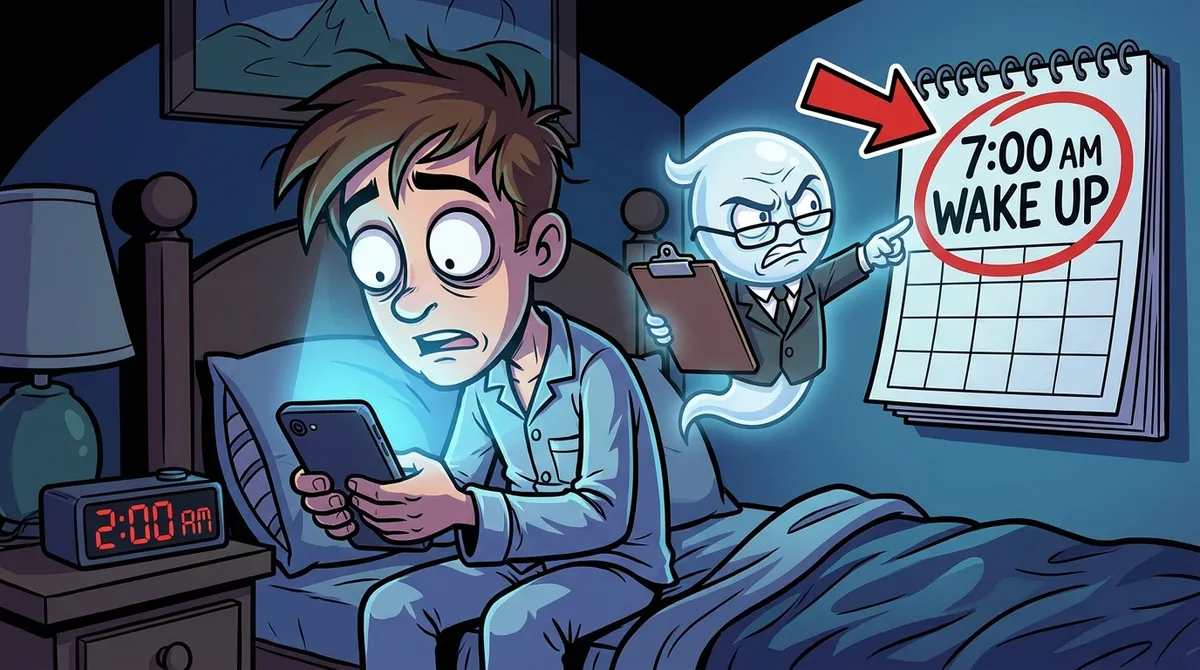
Regards, Your Circadian Rhythm cc: Your Under-Eye Bags, Your 7am Alarm, The Concept of Morning
Skip the jokes, just tell me what actually works
Revenge Bedtime Procrastination
There’s actually a name for this. Researchers call it “revenge bedtime procrastination” — staying up late to reclaim personal time you didn’t get during the day.
The logic goes like this:
- Your day was not your own
- Work, commute, obligations, other humans
- Now it’s 10pm and finally, finally, nobody wants anything from you
- Sleep? Sleep means tomorrow. Tomorrow means more day.
- So you stay up. Reclaiming. Revenging. Scrolling.
The revenge isn’t against sleep. It’s against the feeling that your waking hours belong to everyone else. Night time is yours. Even if you’re just watching videos about how other people organise their fridges.
Here’s the sad bit: you’re stealing from yourself. Tomorrow You is still you. And Tomorrow You is going to be tired, resentful, and wondering why Past You is such a saboteur.
Sleep hygiene is just organised self-bribery. You’re paying with earlier evenings for theoretical morning energy. The exchange rate is bad, but it’s the only one available.
The Real Reason Your Schedule Won’t Stick
Okay, actual explanation.
Your body has a genuine internal clock. It’s not a metaphor. It’s a cluster of about 20,000 neurons called the suprachiasmatic nucleus. It responds to light, temperature and routine.
Here’s why you keep failing to reset it:
1. Your body can only shift about 1-2 hours per day
Trying to go from “1am bedtime” to “10pm bedtime” in one night is like trying to change time zones without leaving your house. Your body doesn’t believe you. It thinks you’re lying. (You usually are.)
2. Blue light actually matters
Yes, you’ve heard this. No, you haven’t done anything about it. Phones, laptops and TVs emit light that tells your brain it’s still daytime. Using them in bed is essentially screaming “STAY AWAKE” into your own face.
3. Weekends destroy everything
Sleeping in on weekends creates “social jet lag.” You shift your rhythm back, then force it forward again Monday. It’s like flying from Melbourne to Perth every Friday and back every Monday. For your brain.
4. Caffeine has a longer half-life than you think
That 3pm coffee? Still 25% active at 9pm. That’s enough to push your bedtime. You know this. You order it anyway.
What Actually Works
Here is the boring bit. The advice that’s the same everywhere because it works.
1. Pick a Wake Time, Not a Bedtime
Your wake time is the anchor. Keep it consistent — even weekends, yes, I know, sorry — and your body will eventually start getting tired at the right time.
Trying to force an earlier bedtime without changing your wake time just means lying in bed, awake, feeling like a failure.
2. Light Is the Reset Button
Morning sunlight within 30-60 minutes of waking helps set your clock. Dim lights in the evening help it wind down. This is free and annoying and effective.
If you can’t get morning sun (winter, shift work, vampire), a light therapy lamp can help.
3. Move Your Bedtime Gradually
15-30 minutes earlier per week. Not two hours in one night. Your body needs time to believe you’ve changed.
4. Create a “Shutdown” Cue
Your brain needs a signal that the day is ending. It could be:
- Making tomorrow’s to-do list (gets tasks out of your head)
- Switching to boring lighting
- A specific routine (shower, book, tea)
The activity matters less than the consistency. Your brain learns “this means sleep now.”
5. Limit Screens (Or Use Workarounds)
Night mode, blue light glasses, or — radical concept — putting the phone in another room. The last one works best and is the hardest.
Alternatives That Sometimes Work Better
- If you’re a natural night owl: Stop fighting it. Some people are genuinely wired for later schedules. If your life allows it, embrace 1am-9am instead of forcing 10pm-6am.
- If you can’t do mornings: Blackout curtains, white noise, later wake times if possible. Not everyone needs to see sunrise.
- If apps stress you out: Stop tracking. Some people do worse when they’re monitoring their sleep score. Ignorance can be restful.
- If nothing works: Persistent sleep issues can be a symptom. Talk to a doctor. It’s not always just “discipline.”
Products That Might Help (But Won’t Fix Everything)
These are affiliate links. I might earn a commission if you buy. That said, no product fixes a midnight scrolling habit. Only you can do that. But here are some things anyway.
Why We Sleep by Matthew Walker
The book that made everyone panic about not sleeping enough. Dense, evidence-based, and genuinely alarming. You’ll either fix your sleep or develop a new anxiety. Possibly both.
Why We Sleep: Unlocking the Power of Sleep and Dreams
A Proper Sleep Mask
Not the flimsy airline ones. A contoured mask that blocks all light without pressing on your eyes. Game-changer if you live with streetlights, early-rising housemates, or the sun.
MZOO Luxury 3D Sleep Eye Mask
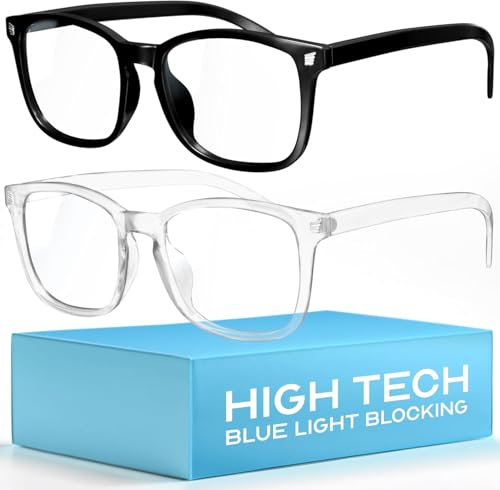
Blue Light Blocking Glasses
For when you know you should stop using screens at night but you’re not going to. These reduce the “stay awake” signal. Not perfect, but better than nothing.
livho High Tech Blue Light Glasses - Advanced Blue Light Blocking Computer Glasses - Screen Fatigue & UV Protection
A Closing Confession
I wrote this at 1:23am.
My circadian rhythm has, I assume, given up on formal complaints and moved straight to silent disappointment. The light from my laptop is currently telling my brain that it’s midday. I know this. I’m doing it anyway.
But here’s the thing: knowing what you’re doing wrong is the first step. The second step is caring enough to change. The third step is actually changing, which is the hard bit, which is why most of us are stuck on step one indefinitely.
Tomorrow, I’m going to try again. I’ll set an alarm. I’ll put the phone in another room. I’ll probably last four days before drifting back to midnight.
That’s fine. Progress isn’t linear. Sleep schedules are more “aspirational framework” than “fixed infrastructure.”
Anyway. It’s late. You should probably go to bed.
(But you won’t. And neither will I. And that’s why articles like this exist.)
Your circadian rhythm has read this article and remains unconvinced. It has scheduled a follow-up meeting for 7am. You will not be awake for it.